
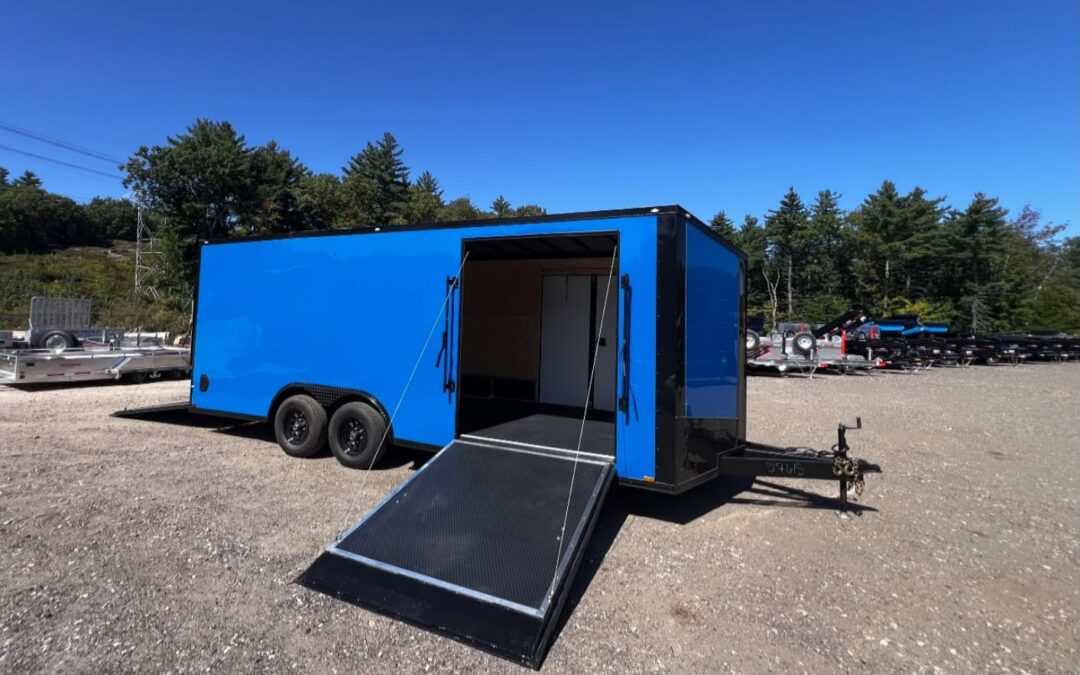
Hauling gear, heavy machinery, or recreational vehicles in New England comes with a unique set of challenges. From humid coastal summers and steep mountain passes to harsh winters packed with ice, slush, and road salt, the region's climate and topography demand a trailer built for durability and performance.
Whether you are a contractor transport equipment, a homeowner clearing seasonal debris, or an outdoor enthusiast hauling snowmobiles and ATVs, here is what you need to consider before investing in a trailer in New England.
1. Material & Corrosion Resistance: Fighting Road Salt and Moisture
New England winters are notoriously harsh on vehicles and towables. Liquid magnesium chloride and road salt used to de-ice highways are primary causes of frame rust and structural degradation.
-
Aluminum Trailers: Lightweight, highly resistant to rust and corrosion, and ideal for salt-heavy coastal or winter conditions. Brands like High Country Trailers deliver long-term protection against the elements with minimal maintenance.
-
Steel-Framed Trailers: Steel provides superior strength and rigidity for heavy-duty commercial hauling. Look for models with thick tubular or I-beam framing, powder-coat finishes, or protective siding like Polycore panels—featured in top-tier US Cargo Enclosed Trailers—to prevent moisture penetration.
2. Terrain & Braking Power for Mountainous Driving
Navigating the White Mountains, Green Mountains, or rolling rural roads requires precise weight distribution and dependable braking power.
-
GVWR & Payload Capacity: Always verify your vehicle’s towing rating against the trailer's Gross Vehicle Weight Rating (GVWR). Overloading can damage your transmission and suspension on steep inclines.
-
Electric Brakes & Dual Axles: For payloads exceeding 3,000 lbs, electric brakes and tandem axles are essential. They provide straight-line stopping power and better stability on icy or wet downhills.
-
Torsion Axles: Torsion axles offer smoother independent suspension, reducing bounce and wear when traveling over uneven, pot-holed post-winter roads.
3. Matching the Trailer Type to Your Specific Needs
Choosing the right structure ensures you don't overspend or buy a model unsuited for your daily tasks.
-
Enclosed Cargo Trailers: Essential if you need secure, weatherproof storage for tools, electronics, or power equipment. Snowmobile and car haulers with V-Nose designs offer aerodynamic towing and maximum interior space. Browse available models at Hawke's Enclosed Cargo Inventory.
-
Open Utility Trailers: Excellent for landscapers, DIY projects, and hauling lawnmowers or ATVs. Look for models with heavy-duty bi-fold or landscape ramp gates for effortless loading. Check out versatile options in Hawke's Utility Trailer Selection.
-
Pre-Owned Trailers: If you want premium features at a lower entry price, certified pre-owned units offer great value. Explore reliable inventory on Hawke's Used Trailers Page.
4. State Compliance and Safety Regulations
Each state in New England—New Hampshire, Massachusetts, Maine, Vermont, Connecticut, and Rhode Island—has specific laws regarding trailer registration, lighting, breakaway safety systems, and brake requirements. Purchasing through an established regional dealer ensures your trailer meets all northern New England inspection and highway safety standards right off the lot.
Why Buy Local? The Advantage of Partnering with Hawkes Trailer Shop
Buying a trailer isn't just a transaction; it's a long-term investment. Working with a dedicated regional dealer means gaining access to expert advice, custom ordering, competitive financing, and ongoing maintenance.
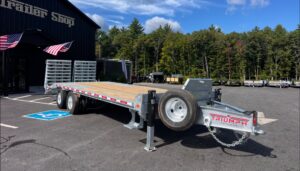
Located in Goffstown, NH, Hawkes Trailer Shop serves customers across New England with an extensive inventory of industry-leading brands, including US Cargo, High Country, AMO, and Triumph.